
Why I Avoid Artificial Lighting in Documentary Cinematography — And How Natural Light Creates Deeper Truth
cinematographer Saleh Ammar reveals why natural light is essential for authentic documentary storytelling—and how to sculpt emotion using only windows, doors, and available sources. Learn on-set techniques that build trust, preserve realism, and create cinematic intimacy without a single LED.
saleh ammar
9/19/20253 min read
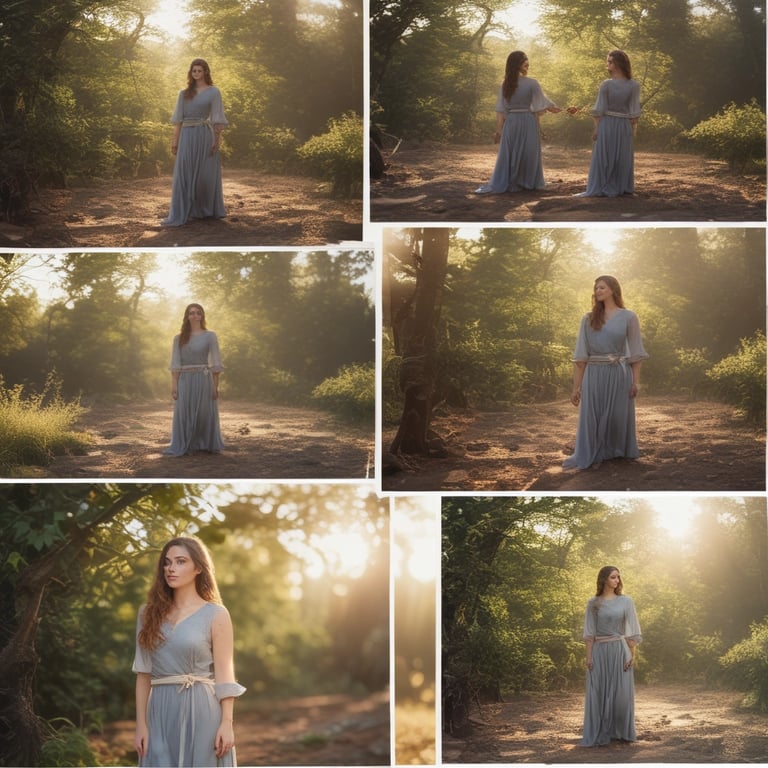
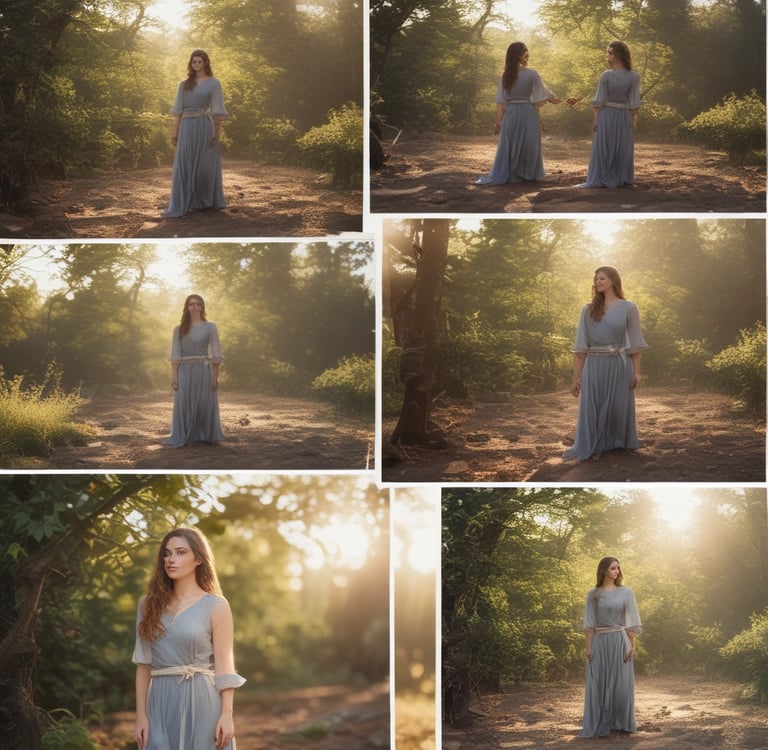
As a director of photography specializing in documentary and observational cinema, I’ve spent over a decade working in intimate, unpredictable, and often emotionally charged environments—from remote villages to urban subcultures, from personal portraits to global human stories. In all of them, one principle remains constant: artificial lighting breaks the fourth wall of truth.
That’s why I intentionally avoid bringing traditional lighting kits into sensitive documentary settings. Not because I lack gear—but because authenticity is my most valuable tool. And nothing shatters authenticity faster than a 2K tungsten fresnel rolling into a quiet room where someone is sharing their life story.
But “natural light only” doesn’t mean “no control.” Far from it. In fact, mastering available light is the highest form of cinematographic discipline—one that demands patience, observation, and deep visual empathy. Here’s how I approach it.
🌤️ 1. Natural Light Builds Trust—Not Just Exposure
In documentary work, the camera is already an intrusion. Adding lights, stands, cables, and crew amplifies that intrusion exponentially. Subjects tense up. Conversations become performative. The raw, unfiltered humanity we seek begins to evaporate.
By relying solely on existing light—sunlight through a window, a streetlamp at dusk, the glow of a kitchen bulb—I signal respect. I become less of a production and more of a witness. This isn’t just philosophy; it’s practical psychology. When people feel safe, they reveal more. And when they reveal more, the footage becomes not just visually compelling—but emotionally resonant.
“The best documentary images aren’t lit—they’re found.”
🪟 2. Windows Are My Primary Light Source (And My Greatest Ally)
A north-facing window on a cloudy day? That’s my dream setup. It delivers soft, directional, diffused illumination with zero equipment. But even harsh southern sun can be tamed—with timing and framing.
My process:
Scout for light, not just locations: I visit spaces at the same time of day as the planned shoot. Is there a 90-minute window when sunlight hits the wall just right? That’s our shooting block.
Use architecture as a modifier: Doorways act as flags. Curtains become diffusion. A white wall opposite a window? That’s my bounce board.
Expose for the shadows: With modern cinema cameras (like the ARRI Alexa or RED Komodo), I prioritize preserving detail in the subject’s eyes and skin—even if highlights blow out slightly. Skin tone carries emotional truth; clipped skies rarely do.
This approach has allowed me to capture interviews with astonishing depth—using nothing but the ambient light already present in the room.
🖤 3. Negative Fill > Positive Light
Most cinematographers think in terms of adding light. In documentary, I think in terms of subtracting it.
A piece of black foam core, a dark blanket, or even my own body can block unwanted ambient bounce and deepen shadows—creating contrast, dimension, and mood without introducing a single artificial source. This technique, called negative fill, is invisible to the subject but powerful to the lens.
On a recent portrait series, I used a simple black fabric panel just outside the frame to kill flat ceiling light, instantly transforming a flat interview into a chiaroscuro study reminiscent of classical painting—all while the subject remained unaware of any “lighting setup.”
📸 4. Camera Choice Enables Restraint
Technology empowers minimalism. Cameras like the ARRI Alexa Mini LF and RED V-Raptor offer 14+ stops of dynamic range and clean high-ISO performance—meaning I can shoot in near-darkness with minimal noise.
I often shoot at ISO 1600–3200 in low-light interiors, trusting the sensor to hold detail. Combined with fast primes (T1.5 or wider), this lets me work in candlelit rooms, subway stations, or nighttime streets—without ever turning on a light.
And yes, I sometimes carry a small LED panel (like an Aputure Amaran F21c) as a last resort—but it’s used so rarely, it’s more of a security blanket than a tool.
🎨 5. Color Temperature Tells Emotional Truth
Mixed lighting—fluorescent ceilings, tungsten lamps, daylight from a window—creates chaotic color casts. But rather than “correct” it, I often lean into it.
A cool blue streetlight spilling through a window while a warm bulb glows inside? That contrast can mirror inner conflict, isolation, or duality. In post-production, I preserve these nuances. They’re not mistakes—they’re visual metaphors.
This is why I shoot in log (LogC or IPP2) and avoid heavy color correction. My goal isn’t technical perfection—it’s emotional fidelity.
Ready to build something that lasts?
👉 Book a consultation with me today.
hi@salehammar.com